

Andrea Harvey, Director of Design & Build Outreach at CEDIA, the Association for Smart Home Professionals, discusses why earlier collaboration between designers, developers and technology integrators can create smarter, more adaptable and cohesive homes.
Please introduce yourself and your role at CEDIA
CEDIA recently welcomed me into the new role of Director of Design & Build Outreach, where I focus on strengthening collaboration between technology integrators, interior designers, architects, and builders. I’m especially passionate about helping bridge the communication gap between the design and technology communities so projects feel more cohesive, intentional, and ultimately more enjoyable for the homeowner.
I bring a unique perspective to the role as the founder of ASH Interiors and Design, where we’ve been creating beautifully curated spaces since 1999. Alongside my design background, I also spent more than ten years working in manufacturer representation, giving me experience at the intersection of design, product knowledge, and project execution.
At the core of it, I love connecting people, ideas, and industries and this role at CEDIA allows me to do exactly that.
CEDIA’s new Design & Build Outreach department has been created to strengthen collaboration between integrators and the design community. What gaps in the industry is this initiative aiming to address?
One of the biggest gaps is that technology is still too often treated as a separate category rather than part of the overall design experience. Designers, architects, builders, and integrators are all contributing to the same project, but a lot of the time they’re working in parallel instead of collaboratively.
That disconnect can create communication issues, delays, and missed opportunities.
This initiative is really about bringing everyone to the table at the start and creating stronger relationships between the design and technology communities. It’s also about education and helping both sides better understand each other’s priorities and expertise. When collaboration happens early, the end result feels much more seamless, elevated, and client focused.
What has surprised you most since stepping into your position, particularly when looking at the industry from a broader, more strategic perspective?
What has surprised me most is how much opportunity still exists for stronger collaboration between the design and technology industries. There is a disconnect in the conversation. Everyone ultimately wants the same thing; a beautiful, functional home and exceptional client experience, yet there is still a noticeable communication gap between disciplines. I’ve also been surprised by how quickly homeowner expectations are evolving. They are more aware and curious about what is out there. We need to be proactive in setting the tone and having these conversations at the front end.
From a strategic perspective, I think the industry is at a really exciting turning point. There’s a growing recognition that technology, design, and construction cannot operate in silos anymore if we truly want to deliver exceptional homes.
What are the biggest challenges when architects, interior designers and technology integrators collaborate on residential projects?
The biggest challenge is usually alignment particularly around communication, timelines, and understanding each other’s priorities. I have experienced this myself which is why I am excited to be on the front line of this effort. Friction can occur when the designers focus on the aesthetics and the integrators focus on performance are conflicting. Both perspectives are important, and when the conversations happen early, they can be reconciled to achieve success for the designer, integrator and homeowner.
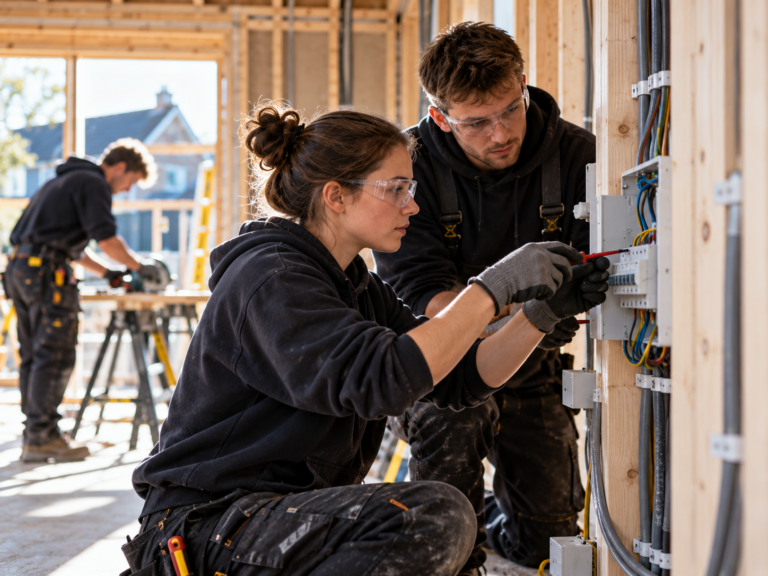
I also think there’s still an education gap on both sides. Designers may not fully understand what technology requires behind the scenes, and integrators may not always understand the importance of preserving the design vision.
The best projects happen when everyone respects each other’s expertise and collaborates early enough that technology becomes part of the design rather than something added afterward.
Having worked directly with clients in a design capacity, how do you see homeowner expectations evolving when it comes to smart home integration within new builds?
Homeowners today want technology to feel seamless, intuitive, and integrated into their lifestyle, not something overly complicated or visually intrusive. Their top priority isn’t necessarily “showing off” technology but they’re more interested in how it improves comfort, convenience, wellness, and everyday living.
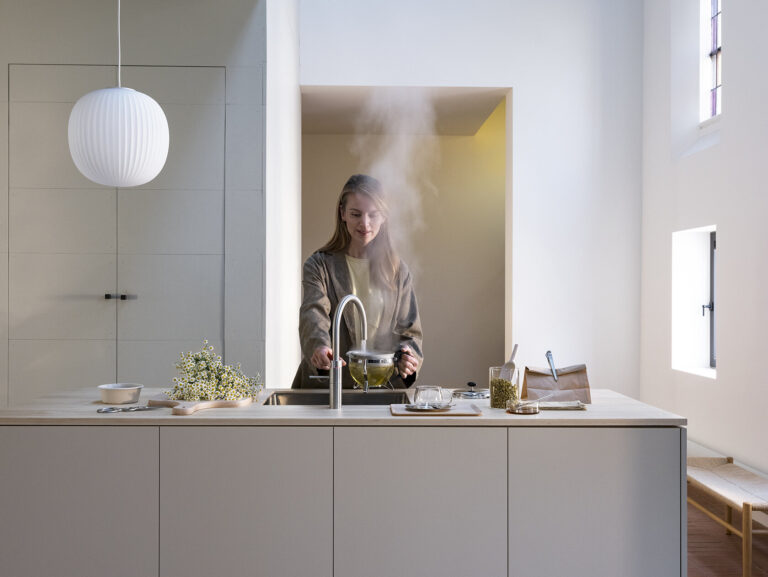
From a design perspective, clients also expect technology to blend beautifully into the home. They don’t want visible clutter, bulky equipment, or solutions that compete with the architecture or interiors.
Another major shift is that clients are much more informed than they were even a few years ago. Many homeowners now come into projects already aware of smart home capabilities and expect their design and build teams to guide them through those decisions proactively.
Technology is often introduced late in the design process. What needs to change to ensure it is considered earlier and more effectively?
Technology professionals need to be included in the conversation much earlier, ideally during the initial planning and design development stages.
There also needs to be more education within the design community around the long-term impact of early technology planning. Decisions made early in the process affect everything from ceiling details to cabinetry, lighting, and space planning.
The more collaborative the process becomes upfront, the more seamless and less stressful the project is for everyone involved.
How can developers better communicate the benefits of integrated technology to buyers, particularly in a market where cost sensitivity remains high?
I think developers need to focus less on technical features and more on lifestyle benefits. Buyers connect more strongly to convenience, comfort, energy efficiency, wellness, and security than they do to technical specifications.
Experiential selling is also incredibly important. When buyers can actually experience how integrated lighting, shading, audio, or automation improves daily living, the value becomes much easier to understand.
Technology should also be positioned as part of the home’s infrastructure rather than an optional luxury item.
How can developers avoid creating homes that feel outdated within a few years, given the pace of technological change?
The key is focusing on adaptable infrastructure rather than chasing trends. Technology itself will continue to evolve rapidly, but homes designed with strong foundational infrastructure can evolve much more easily over time.
That means planning for flexibility; proper wiring pathways, scalable systems, and solutions that can be upgraded without major disruption. I also think developers should focus on timeless integration rather than “flashy” technology moments. The best smart homes are the ones where the technology quietly enhances the way people live without dominating the design or feeling overly trend driven.
Over the next 12 to 24 months, what tangible changes would you like to see as a result of this outreach initiative?
My goal is to create opportunities for building relationships across our various trades. I would love to see collaboration become much more proactive and normalised across the industry. Ideally, integrators would consistently be brought into projects earlier, and communication between designers, architects, builders, and technology professionals would become more fluid and collaborative.
I’d also like to see stronger education and relationship-building within the design community. The more designers understand the possibilities and value of integration, the more naturally it becomes part of the conversation with clients.