

With housebuilders under pressure to balance quality and cost, Wren Contracts explores how smarter value engineering can maximise buyer appeal while reducing complexity.
Whilst housebuilders face continued pressure to deliver quality homes while controlling costs, value engineering has never been more important. All too often, value engineering is interpreted as spending less. A more effective and value approach is to spend smarter by reallocating investment towards the things that have the greatest impact on buyer perception, while removing unnecessary cost and complexity elsewhere in the process.
“Good value engineering isn’t about taking things out of a kitchen to achieve a given price point,” says Damian Sheridan, Sales Director at Wren Contracts. “It’s about understanding where investment genuinely adds value for the customer and where you can simplify the specification and process without compromising the overall look, feel or quality.”
Investing where buyers see the difference
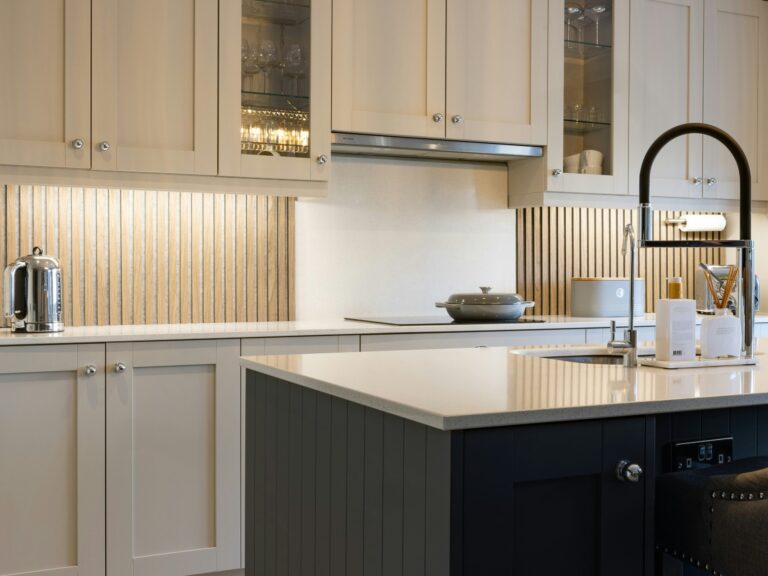
Some items work harder than others. Worktops are one of the largest, most visible elements in a kitchen, with quartz adding a premium look and feel alongside durability. Wren’s own quartz range provides a value engineered alternative to international brands, delivering comparable aesthetics and performance with greater cost control. In-house fabrication further reduces cost, complexity and lead times while enhancing safety and control, with ongoing innovation focused on reducing silica content.
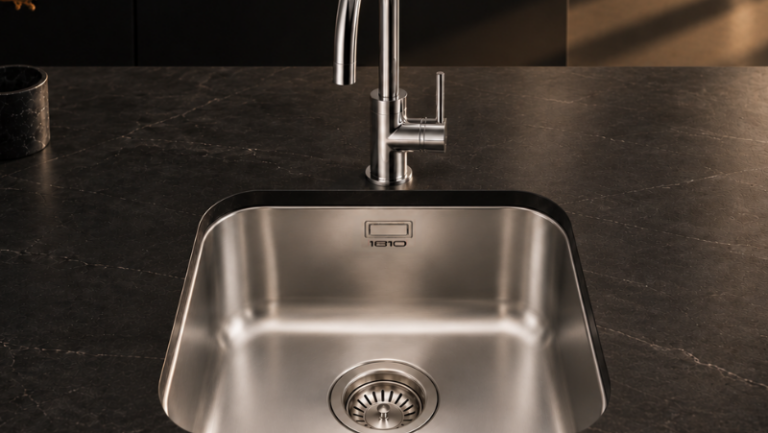
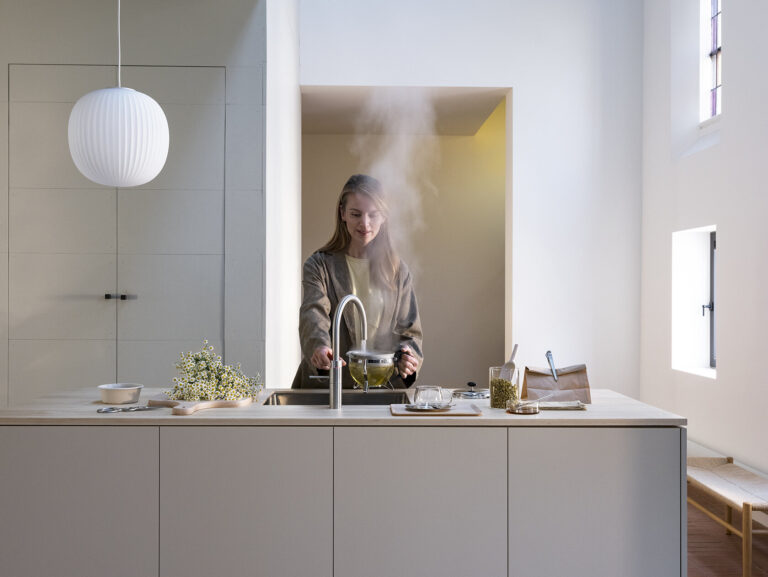
The right sinks and taps can elevate aesthetics, while multifunctional boiling taps add convenience and efficiency. Quality cabinetry, robust components and soft-close drawers and doors further raise the sense of quality, influencing how buyers perceive the kitchen as a whole.
Investing strategically in these areas can therefore elevate the entire specification. The opportunity to save comes from reducing complexity elsewhere.
Simplifying specifications to control costs
Rationalising cabinet sizes, colours, finishes and variations across house types can generate efficiencies throughout manufacturing, ordering and installation. A standardised approach to appliances can provide consistency, ease of installation and cost control, with carefully selected upgrade packages allowing home-buyers to personalise where appropriate. However, product price is only one part of the value equation.
“The real cost of a kitchen goes beyond the products themselves,” Damian explains. “Complexity through multi-suppliers takes time to manage and increases the risk for something to go wrong. If you can simplify the journey, you’re creating value for the housebuilder in a wider sense.”
This is where an end-to-end approach can make a significant difference. Wren Contracts’ vertically integrated model brings design, UK manufacturing, appliances, delivery and installation together, providing greater visibility and control throughout. Working with a supplier that can also provide cabinetry across bedrooms, home offices, media walls and other living spaces extends those efficiencies beyond the kitchen, further simplifying specification, procurement and project management. For housebuilders, fewer touch-points offers simpler, more efficient project management, consistency, reduced risk and less time coordinating multiple suppliers.