
Vandersanden is publishing its 2025 Sustainability Report today. The report outlines where Europe’s largest family-owned, brick-producing company stands today in terms of sustainability, and the steps it will take in the coming years towards its goal: climate-neutral production by 2050. Four pillars are central: sustainability for the environment, in the workplace, within the sector and in the community.
“For us, sustainable business is the way we have been doing business for generations,” says CEO Johan Deburchgrave. “It is not a strategy; it is an ongoing responsibility.”
Less CO₂, more green energy
The 23% reduction in CO₂ (Scope 1 and 2) is the result of targeted investments, technological innovations and various efficiency improvements across our operations.
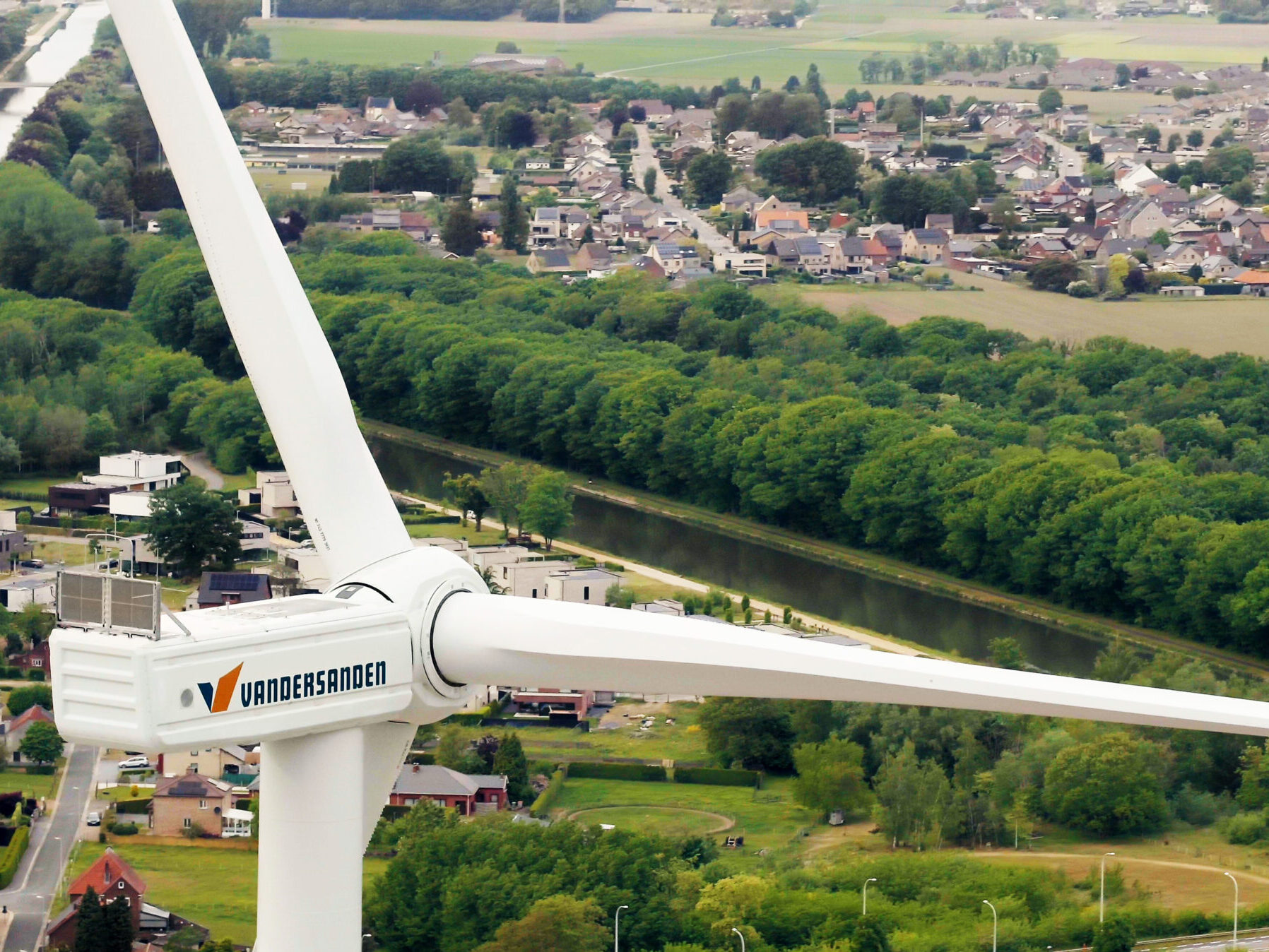
In Tolkamer, a single new tunnel kiln has replaced three older kilns. This kiln consumes 25% less energy. In Beek, an innovative steam-drying technology is delivering an additional 35% reduction in CO₂ emissions at that plant. Thanks to 41,010 solar panels and Vandersanden’s own wind turbine in Lanklaar, renewable energy production rose by 246% compared to 2020.
“We are proud of the steps we have taken so far. They demonstrate that our investments are making an impact,” says CEO Johan Deburchgrave. “But the work is never done. We continue to work on making our processes, production and products more sustainable. For example, in Lanklaar we are testing whether we can directly reuse CO₂ from our chimney for the production of our CO₂-negative facing brick Pirrouet®.”
Investing in the work environment, safety and community
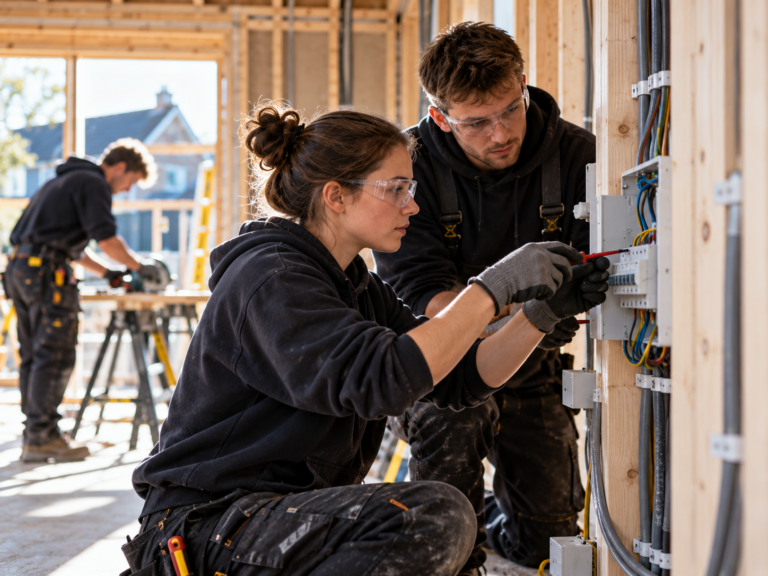
For Vandersanden, sustainability does not stop at the factory gate. In 2025, more than 850 employees completed an average of 50 hours of training. The majority of all employees completed the VDS-M leadership programme, a scheme that embeds leadership and ownership on the shop floor.
In terms of workplace safety, Vandersanden is working with external partner Samurai@Work on a structural behavioural change programme across the entire organisation to strengthen its workplace safety culture. The number of reports of hazardous situations rose by 23%, a positive sign of growing vigilance.
Outside the factory walls, Vandersanden supports various charities with an annual donation of €500,000, all of which have a personal connection to Vandersanden employees or their families, and is actively committed to corporate social responsibility.
Pioneering under pressure
Baking bricks requires temperatures above 1,000°C. Full electrification is not sufficient for this task. Low-carbon molecules such as hydrogen are not currently available on an industrial scale, whilst the cost of emission allowances is set to rise sharply in the coming years.
“The current climate makes investing in and innovating for greater sustainability particularly challenging. At Vandersanden, for example, we are faced with fragmented regulations when it comes to bringing our sustainable solutions to market. But this report shows that it is indeed possible to continue pioneering. We continue to call for companies investing in the energy transition to be supported, rather than hindered by measures such as ETS fines” said Deburchgrave.