
Avoiding traditional sales routes and evolving to a phased marketing plan, with Victoria Beswick, Managing Director, Trident Marketing
Please introduce yourself and give us a brief insight into who Trident Marketing is.
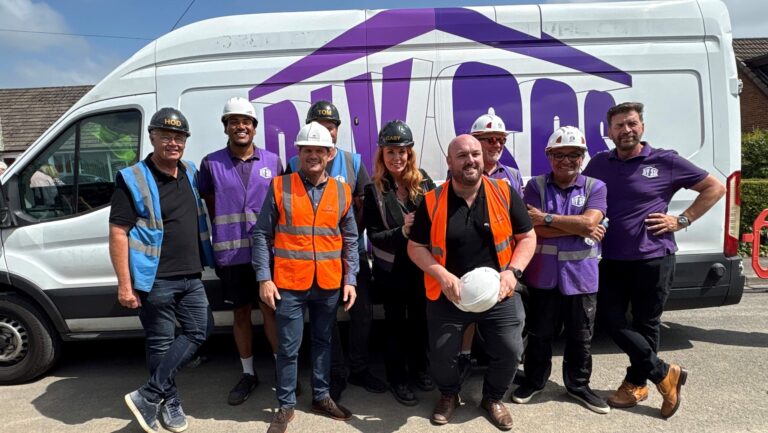
I’m Victoria Beswick, Managing Director at Trident Marketing. We specialise in the property sector, helping developers get their homes seen and sold. Our team combines graphic design, CGI, web development, digital marketing and photography to deliver fully integrated campaigns, tailored to each development and designed to engage the right buyers at every stage.
A growing number of smaller developers report being ‘stuck’ with completed units. From your perspective, what are the root causes behind this bottleneck? Is it purely market conditions, or do you see a marketing issue at play?
Market uncertainty is definitely holding buyers back – rising costs, interest rates and the reduction of schemes like ‘Help to Buy’ have all dented confidence. But it’s not just the market. The old model of listing properties on Rightmove and waiting for buyers is no longer enough. Developers now need to be proactive – engaging potential buyers, telling compelling property stories and using modern marketing channels to stand out. Success comes from combining the right timing with smart, active marketing.
How can Trident Marketing help combat this issue?
We recognise that it is a tough market and work with developers to use their budgets wisely. We provide bespoke strategies tailored to each development rather than applying a one-size-fits-all approach. While digital marketing plays a key role, we often find the best results come from a carefully balanced mix of digital and traditional methods. By targeting the right buyers with the right message, we help developers generate interest, reduce bottlenecks and get properties moving faster.
Trident Marketing also prides itself on its ability to accommodate a quick turnaround and deliver under tight deadlines. For developers who need marketing materials, brochures or campaigns launched quickly after receiving the green light on a development, we can turn things around efficiently without compromising quality, ensuring their project stays on schedule and in the market spotlight.
When a development stalls at the ‘stock phase’, what mistakes do you most commonly see in the way these homes are being marketed and how early do those mistakes typically begin?
It depends on the development and available budget. It’s often less about mistakes and more about needing a fresh approach. What worked for one site may not work for another – different locations, sizes and audiences require different strategies.
One common gap we see is failing to clearly define the development’s target buyer. Without a well-defined buyer profile, marketing efforts can be too broad or misdirected. By identifying the right audience and tailoring the strategy accordingly, developers can reenergise interest and get homes moving.
Many developers still rely on traditional sales routes and generic portals. What does a genuinely proactive marketing strategy look like in contrast, and where should developers be shifting their efforts?
Developers should actively engage potential buyers through a mix of digital channels, social media and virtual tours, as well as offline touchpoints like local events or partnerships. Not forgetting the basics of a swish brochure and effective signage. The goal is to create a tailored campaign that reaches the right people at the right time. This targeted, hands-on strategy helps generate interest faster and reduces the risk of homes sitting on the market.
How important is it for marketing to evolve between ‘off-plan’, ‘completion’ and ‘stock’ phases?
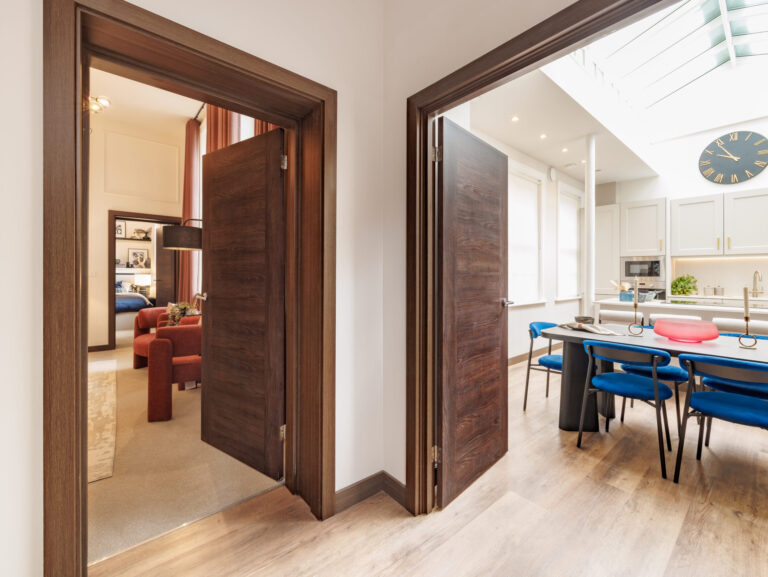
It’s crucial for marketing to evolve across the different phases of a development. During the ‘off-plan’ stage, the focus is on building excitement and securing early reservations, often by showcasing vision, design and lifestyle benefits. At ‘completion’, the emphasis shifts to demonstrating finished quality and helping buyers imagine living in the space, using high-quality visuals, virtual tours and targeted messaging. When a development reaches the ‘stock’ phase, marketing needs to become even more proactive by refreshing campaigns and reaching out to interested parties. Adapting the strategy at each stage ensures marketing remains relevant and effective throughout the entire lifecycle…