
John Marsh, GTC Chief Innovation Officer, shares how multi-utility connections will help the smooth transition to low-carbon housing.
With the Future Homes Standard (FHS) expected to come into force in the next few months, new homes will no longer be built with fossil-fuel heating systems. Instead, developers will move to low-carbon alternatives such as heat pumps and heat networks. While the policy focus is rightly on decarbonising heat, the FHS also presents a significant opportunity to rethink how utility infrastructure is planned and delivered. This will accelerate the case for multi-utility connections across new developments.
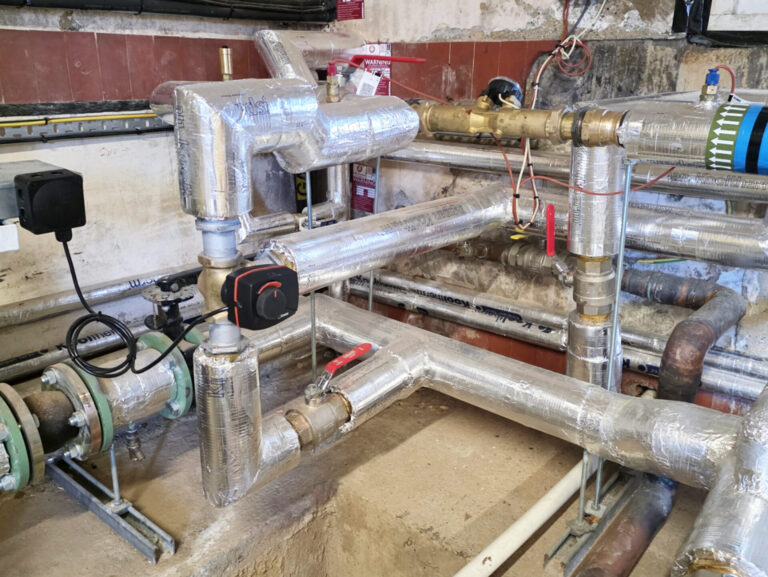
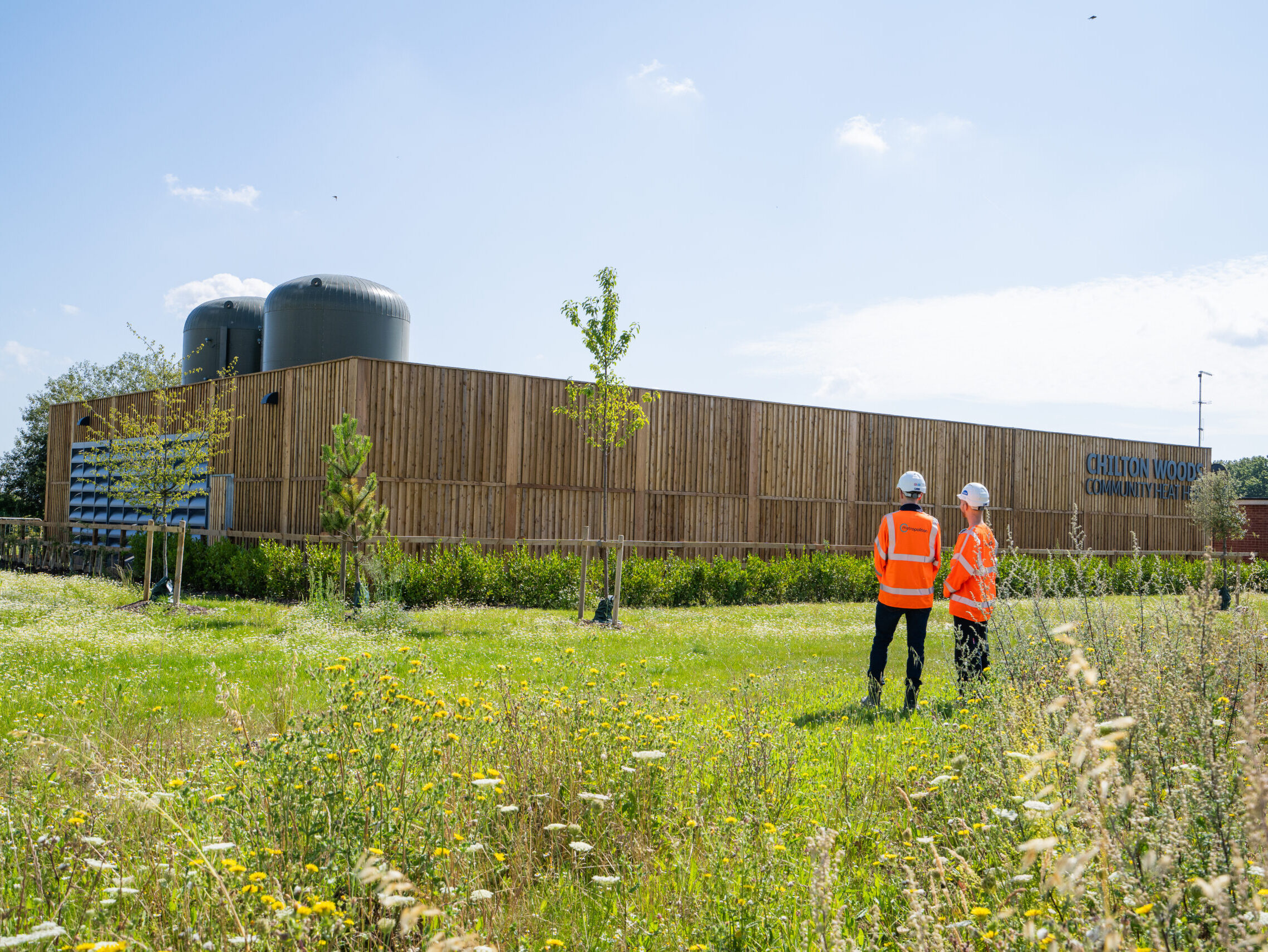
At its core, the FHS represents a shift away from individual, plot-by-plot solutions towards more coordinated, system-level approaches. Heat networks exemplify this change. By distributing heat from a central low-carbon source to multiple homes, they offer a scalable and efficient way to meet regulatory requirements. Crucially, heat networks also encourage developers to consider electricity, water, and digital infrastructure together, rather than as isolated elements.
Why the Future Homes Standard favours integrated infrastructure
As heat becomes increasingly electrified or networked, the interdependencies between utilities become more pronounced. Heat pumps increase electricity demand; heat networks require long-term operational planning and resilience; and digitally enabled systems depend on reliable connectivity. Designing these utilities in silos risks inefficiencies, delays, and avoidable costs.
Multi-utility connections address this challenge by enabling joined-up planning from the outset. Instead of sequentially installing electricity, water, heat, and communications infrastructure, developers can adopt a coordinated approach that aligns routes, timescales, and technical requirements. This is particularly relevant where heat networks are proposed, as they introduce new pipework and plant that must be carefully integrated into already constrained underground spaces.
Time and cost advantages for housebuilders
From a delivery perspective, the multi-utility route offers tangible benefits. Coordinated civil works reduce the need for repeated excavation, minimise disruption on site, and shorten overall programme durations. A single, planned installation phase can replace multiple utility-specific interventions, reducing labour costs and exposure to delays.
Early coordination also reduces the risk of late-stage redesign. As developers respond to the FHS, decisions around heating technology, network capacity, and electrical demand need to be made earlier than before. Multi-utility planning supports this by aligning infrastructure decisions with master planning, rather than reacting to them after layouts are fixed.
For housebuilders operating in a challenging economic environment, where margins and delivery certainty are under pressure, these efficiencies can make a meaningful difference.
The evolving role of utility infrastructure partners
As regulatory requirements become more complex, the role of utility infrastructure partners is also evolving. Rather than acting solely as installers, they can provide strategic guidance throughout the development lifecycle.
This includes advising on the suitability of different renewable heat solutions, modelling future energy demand, and assessing long-term infrastructure resilience. By bringing together expertise across electricity, water, heat, and connectivity, utility partners can help developers navigate trade-offs between cost, compliance, and futureproofing.
Importantly, this early engagement supports better decision-making. Understanding grid capacity constraints, thermal demand profiles, and phasing requirements at the outset reduces uncertainty and helps avoid costly interventions later in the build programme.
Supporting better places, not just compliant homes
Beyond regulatory compliance, multi-utility connections can contribute to better placemaking outcomes. Integrated infrastructure planning supports cleaner streetscapes, fewer surface disruptions, and greater flexibility for future upgrades. Heat networks, for example, can be adapted over time to incorporate new low-carbon heat sources as technology evolves.
From a resident perspective, coordinated infrastructure can also enhance reliability and performance, while supporting the broader decarbonisation of local energy systems.
Looking ahead
The Future Homes Standard is a catalyst for change, but its success will depend on how effectively the industry adapts. Multi-utility connections offer a practical, scalable way to support the transition to low-carbon heat, while delivering cost and programme efficiencies for housebuilders and developers.
As the UK moves towards a future of electrified and networked energy, collaboration across the development and infrastructure sectors will be essential. By embracing integrated utility planning, the industry can deliver homes that are not only compliant with regulation, but resilient, efficient, and fit for a net-zero future.