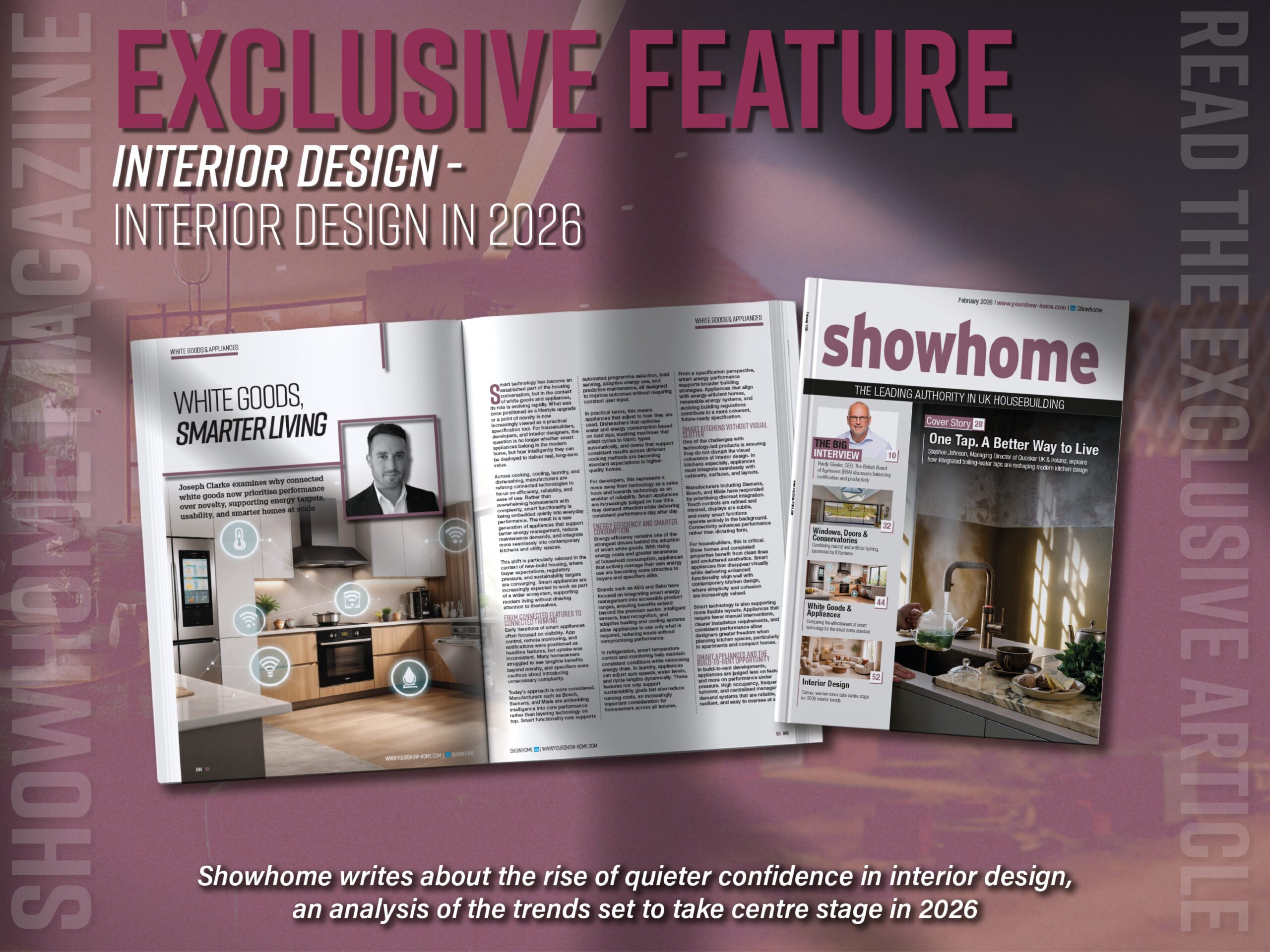

Rebecca Spayne writes about the rise of quieter confidence in interior design, an analysis of the trends set to take centre stage in 2026
Interior design is entering a more considered phase. As the housing market looks ahead to 2026, the dominant aesthetic is not about making louder statements or chasing novelty, but about creating spaces that feel settled, human, and quietly assured.
For housebuilders and developers, this shift is both timely and practical. Buyers are no longer seduced by short-term visual drama alone. They are looking for homes that feel emotionally comfortable, flexible enough to adapt, and refined without being intimidating. The most successful interiors now communicate confidence through restraint.
Across the interior design sector, a clear direction is emerging. Colour palettes are becoming softer but richer. Pattern is returning, but used with control. Texture, layering, and tactility are taking precedence over gloss and contrast. The interiors of 2026 are designed not just to be seen, but to be lived with over time.
This evolution is shaping how designers approach specification and how developers present homes at handover. It is less about trend-led styling and more about long-term appeal, longevity, and atmosphere.
From statement to atmosphere
The past decade has been defined by visual moments: feature walls, bold contrasts, and highly curated looks designed to photograph well. In 2026, the focus shifts towards atmosphere. Interiors are being designed to feel calm, coherent, and emotionally intuitive from the moment you step inside.
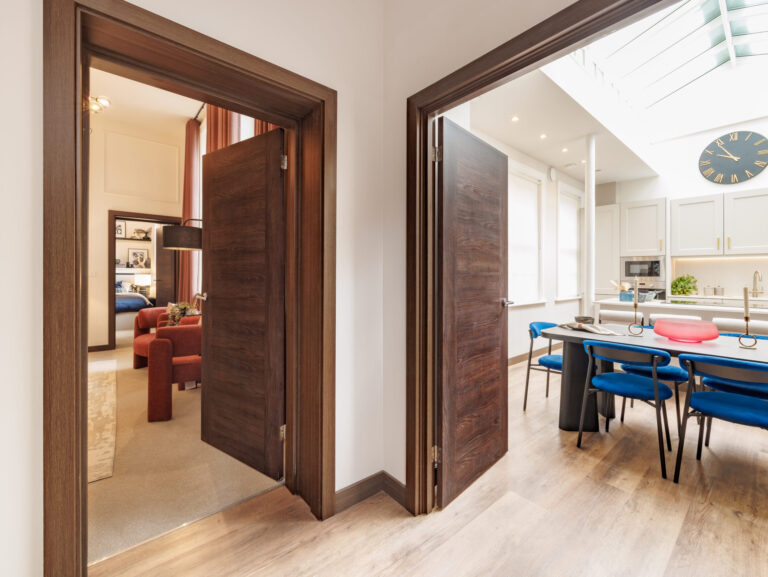
This does not mean interiors are becoming bland. On the contrary, colour is playing a more sophisticated role. Instead of stark whites and high-contrast palettes, designers are working with layered neutrals, muted earth tones, softened greens, and complex blues. These colours sit quietly in the background, allowing architecture, light, and materiality to take centre stage.
Designers Guild has long championed this approach, using colour as a tool to shape mood rather than dominate space. Its influence can be seen in the move towards tonal schemes where walls, soft furnishings, and decorative elements sit within the same family of shades, creating a sense of visual cohesion that feels deliberate rather than decorated.
For housebuilders, this approach offers clear advantages. Tonal interiors photograph well, appeal to a broad audience, and age more gracefully than trend-heavy schemes. They also allow buyers to personalise their homes without feeling the need to undo strong design decisions.
Texture as the new luxury
If colour sets the mood in 2026 interiors, texture delivers the emotional connection. Buyers are increasingly drawn to spaces that feel warm, layered, and tactile, particularly as homes continue to function as places of work, retreat, and social life.
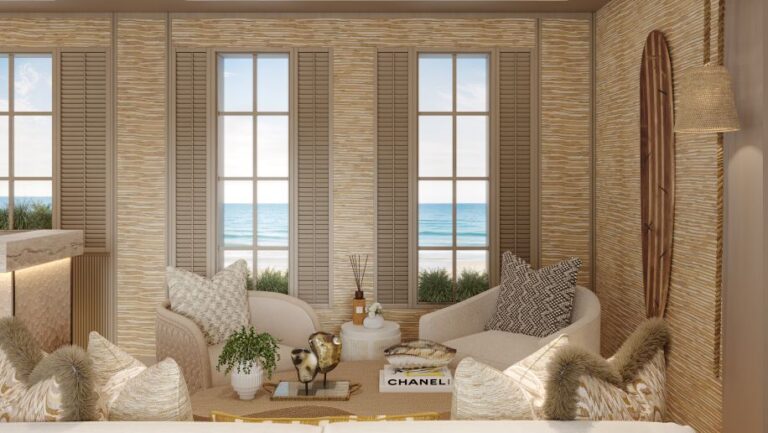
Hard, reflective surfaces are giving way to softer finishes. Upholstered elements, woven fabrics, matte finishes, and natural fibres are being introduced to balance architectural precision with comfort. This shift reflects a broader desire for interiors that feel human rather than overly polished.
Gallery Direct’s influence in this space is evident through its emphasis on layered interiors that combine form with comfort. Accessories, furnishings, and decorative elements are no longer afterthoughts but integral to how a room feels and functions. In show homes, this translates into spaces that feel lived-in without appearing cluttered.
For developers, the appeal is twofold. Textured interiors create warmth and approachability, while also disguising wear more effectively than high-gloss or high-contrast finishes. They offer durability without sacrificing design intent, an increasingly important consideration in high-traffic environments…