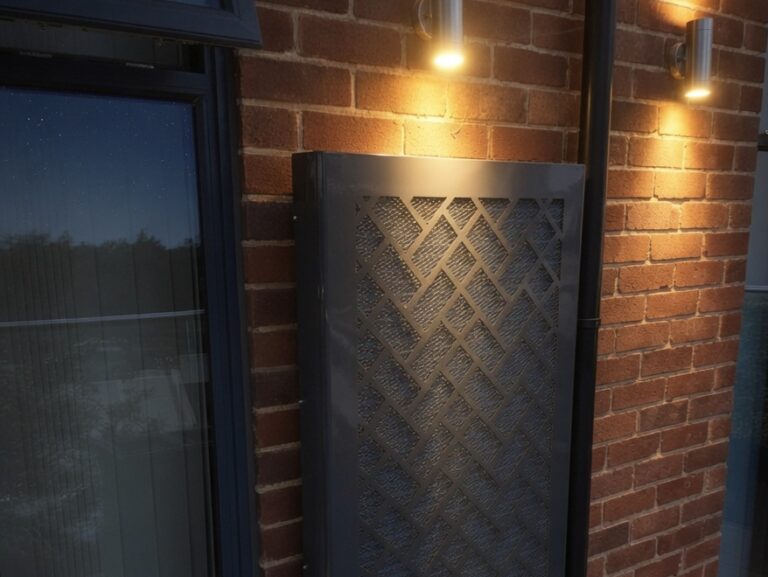

Research by Bellway and The University of Salford has shown that air source heat pumps can work four times as efficiently as gas boilers in new homes.
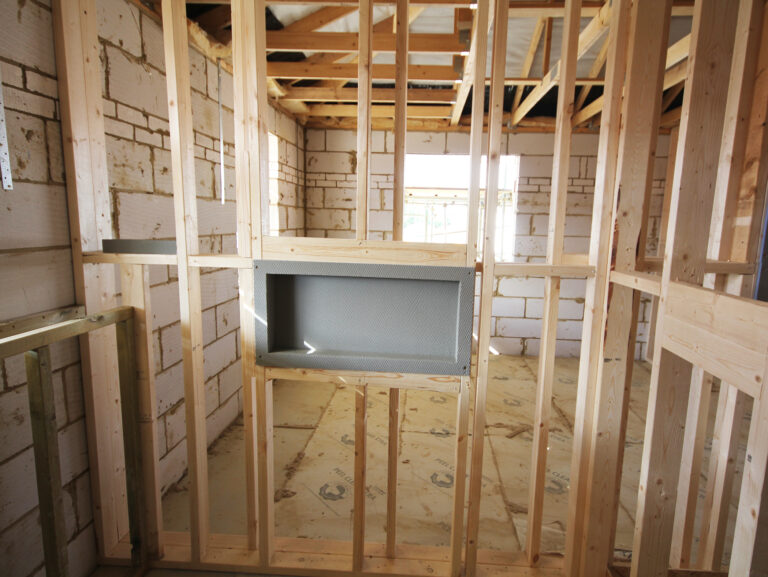
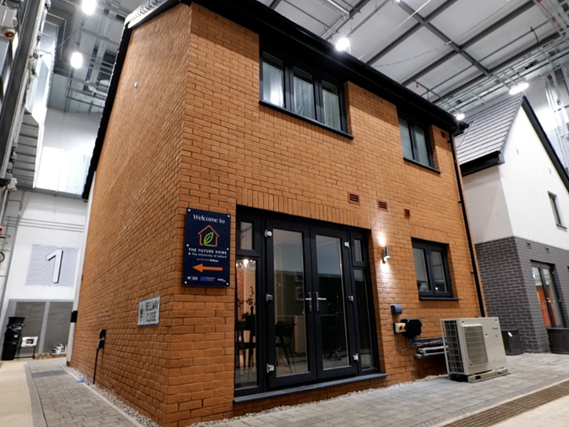
The findings will inform how the housebuilding industry moves towards the Future Homes Standard. Bellway built a full-size three-bedroom home to Future Homes Standards inside the university’s innovative Energy House 2.0 climate chamber. Tests were then conducted by academics to see how low-carbon heating systems would perform in a range of climate conditions.
The results show that air source heat pumps can produce more than four times the amount of heat from one unit of energy compared with a typical gas boiler.
The heating costs for the air source heat pump used in the testing were as little as £1.19 per day. The research shows the most efficient way to use a heat pump is to keep it running at a low temperature all day, then increase heating for a period in the morning and the evening, or during periods of extreme cold. This will require a change in behaviour among consumers who are used to demand-led heating.
Key findings
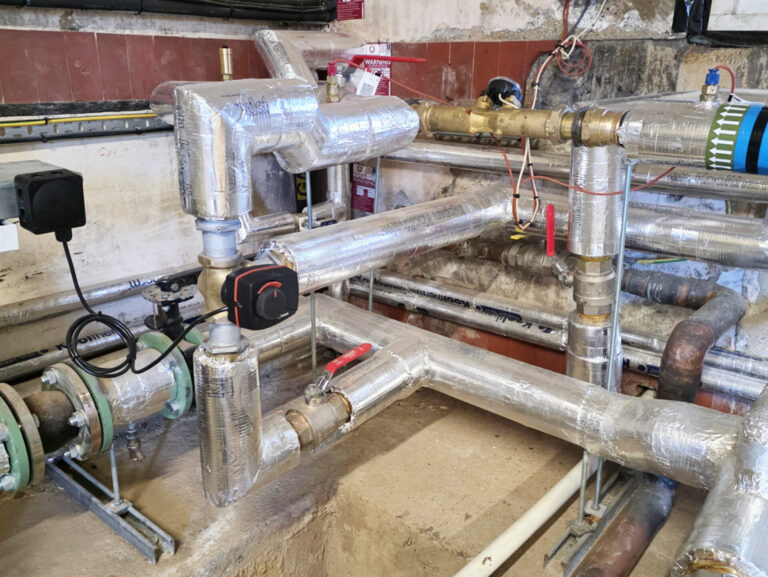
- At typical winter temperatures, an ASHP used in combination with underfloor heating downstairs and radiators upstairs will produce 4.71 units of heat for every unit of energy used.
- Heating costs in these conditions were between £1.19 and £1.84 per day.
- Constant low heat, supported by increased heating for a period in the morning and evening, is the most efficient.
- At extreme winter temperatures of -5C, an ASHP will produce 2.98 units of heat per unit of energy used.
- In these conditions, ASHPs work most effectively when they run at a constant comfortable heat level (18-21C).
- Gas boilers are typically 90 per cent efficient. Up to 0.9 units of heat are typically created by one unit of energy.
Jamie Bursnell, Head of Technical and Innovation for Bellway, said, “The Future Homes Standard building regulations are the most significant change for the industry. We have led the way through this research to understand how our homes perform with low-carbon technology.
“The research shows that new build homes can provide low-carbon, low-running-cost heating without the need to pay for expensive retrofitting of secondhand homes, which can run into tens of thousands of pounds. This means new homes built to Future Home Standards will have a vital role to play in reducing the UK’s carbon footprint as the grid moves to net zero.
“Thanks to our partnership with The University of Salford, Bellway has already begun installing air source heat pumps to this optimum specification. This means our customers can reduce their carbon footprint while saving money.”
University collaboration drives innovation
Professor Will Swan, Director of Energy House Labs at the University of Salford, said, “Our collaboration with Bellway exploring Air Source Heat Pumps shows the value of Energy House 2.0 in allowing us to try different approaches before we install heat pumps in people’s homes. This collaboration shows us the importance of ‘doing it right’. It also shows the value this can bring to the occupant in terms of efficiency.”
The Government announced in March that the Future Homes Standard will come into effect from 2027. It meant that new homes built from then will require heat pumps or heat networks, rather than gas boilers.
Bellway’s Future Home project was officially launched in 2023. Initial research showed that the fabric of the building was close to guidance in the Future Homes Standard consultation. The results of the first heating tests indicated that ASHPs were highly efficient. However, it identified several areas where improvements might be possible.
This latest report is the result of extended research looking at how to achieve better system efficiencies, with Bellway working closely with the university, partner consultants and contractors and manufacturers to implement the recommendations made.
Further research continues
The testing focused on air source heat pumps. Directly comparable cost figures are unavailable because manufacturers design gas boilers for on/off operation. Users should leave ASHPs running constantly.
A further research project is underway to explore whether fan coils can be more efficient than radiators for heating efficiency. Research is also taking place on how effectively ASHPs can cool homes in more extreme summertime temperatures.
The most recent report findings will be published in full with the aim of helping the wider industry, and especially SME builders, to prepare for the Future Homes Standard.
The Future Home project is part of Bellway’s over-arching sustainability strategy, which identifies carbon reduction as one of its key priorities.
Funding from Innovation Accelerators programme made this most recent project possible. This is led by Innovate UK on behalf of UK Research and Innovation.