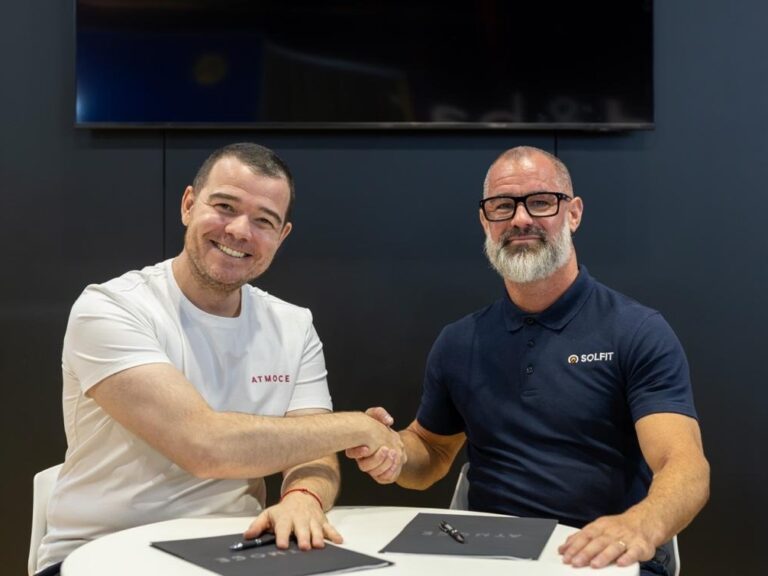


Showhome Editor Bethany Kellock spoke with Beko Global’s Ragıp Balcıoğlu about the changing expectations of housebuilders and the design, technology and sustainability shaping the future of premium appliances.
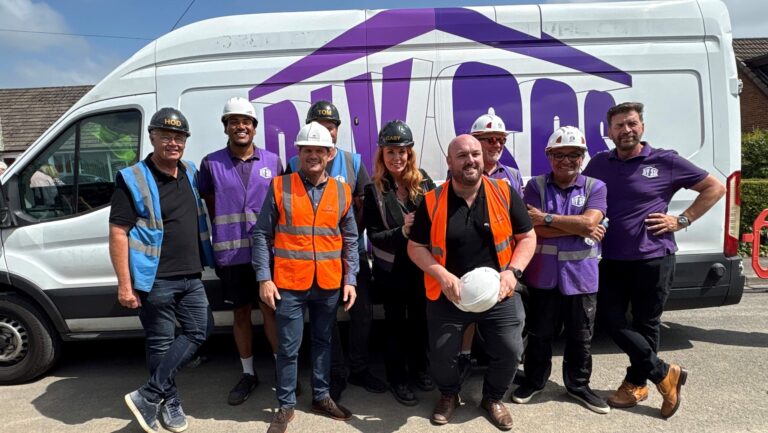
Showhome Editor Bethany Kellock was invited by Beko to visit its Cassinetta site in Italy, gaining an insight into the design, technology and expertise behind the company’s appliance development.
As part of the visit, Bethany sat down with Ragıp Balcıoğlu, Chief Marketing and Strategy Officer of Beko Global, to discuss the thinking behind the company’s approach to the UK market and its proposition for housebuilders. Their conversation explored the importance of value, service and sustainability, as well as the role of design, adaptability and intelligent technology within the home. Looking further ahead, Balcıoğlu also shared his perspective on how expectations surrounding premium appliances are evolving and what could define the next generation of premium homes.
With budgets and margins under increasing pressure, what is the argument for specifying Beko appliances in new homes when cheaper alternatives are available?
In the UK, we now have three main brands, Hotpoint, Indesit and Beko. Hotpoint came into our portfolio in 2024 and, since then, we have developed a clear brand strategy for the UK market.
All three brands have fantastic heritage and serve different areas of the market. When it comes specifically to Beko, I think the reason people choose the brand is quite simple, and it is something we have demonstrated to British consumers over many years. Beko offers very strong value.
Our products combine quality and useful features with an affordable price point. That does not mean simply being cheap. It means ensuring that, when you consider everything the product delivers, the overall proposition represents excellent value.
I believe housebuilders, retailers and the wider trade are already responding to that proposition very positively. We have held a leading position in the UK market for a long time, which tells us that what we are doing continues to resonate with consumers.
For housebuilders specifically, however, the product itself is only one part of the proposition. You also need a strong organisation behind that product, providing service, support and delivery, particularly when you consider the specific delivery requirements of developers.
Since bringing our organisation together with Hotpoint, I believe we have one of the strongest service and delivery propositions in the UK. It means we can offer not only the products themselves, but the operational infrastructure behind them.
Finally, there is sustainability. Beko has been a leader within our industry on sustainability for many years, and this is becoming increasingly important to housebuilders. Developers are therefore getting a strong product at an optimised price point, supported by features, service and sustainability credentials.
Cassinetta brings design, innovation, technology and manufacturing expertise together in one location. What advantage does that give Beko when developing new products?
There are two main advantages. The first is relatively straightforward. Having a number of different functions under one roof creates much closer communication between teams. Everyone is working within the same environment, sharing the same values and collaborating throughout the process, from the initial idea through to the finished product.
That creates speed and efficiency. Having people working closely together also leaves less room for errors or misunderstandings during the development process.
The second advantage is something particularly distinctive about Cassinetta and our wider ecosystem. Cassinetta is fundamentally about cooking, and this is at the heart of what we do here.
We are in Italy, with access to fantastic food scientists and specialist expertise. We have food scientists working alongside our other teams, including people with extremely high levels of academic and technical expertise.
That food science capability is a major differentiator for us. Everything here revolves around cooking, particularly built in cooking, which is also highly relevant to housebuilders. Bringing food science, product development, design and technology together makes Cassinetta a very special place for us.
Has the definition of a premium appliance changed over time and what does premium mean to consumers today?
I believe it has changed. Traditionally, premium appliances were closely associated with heritage, and heritage is not something that can be created overnight. Premium was also associated with robust products and strong visual design.
The emergence of AI and the capabilities provided by digital technologies are opening significant new opportunities for appliances. Ultimately, these technologies should make people’s lives easier through greater adaptability and customisation.
Product design remains essential. The features within the product are exceptionally important, as are fit, finish, quality and the feedback consumers receive when interacting with it.
However, all of this should increasingly be combined with intelligence. Importantly, the appliance does not need to shout about how intelligent it is. The technology should work naturally in the background and make the experience better for the user.
The relationship with an appliance therefore no longer ends when it is installed and the consumer starts using it. The product can continue to develop, learn and enhance the experience over time. I think that is increasingly what will define premium appliances.
Looking ahead, what types of appliances or technologies do you think will define the next generation of premium homes?
Visual design and the way appliances integrate into the home will become increasingly important. We are seeing a trend towards more open spaces and flexible living environments, so appliances need to respond to that.
We are already exploring concepts where consumers can add to or adapt their appliances depending on how their needs change. Integration into the home will therefore be extremely important. Products need to work naturally within open spaces and offer a minimalist appearance while still meeting both basic and, particularly within the premium market, more sophisticated requirements.
Adaptability will also be exceptionally important. Consumers want products that are suited specifically to them and that support their wellbeing.
In the premium market, our relationship with the customer should not end when somebody goes into a shop, purchases an appliance and installs it in their home. The product should continue to learn from the way that person uses it.
Through advanced sensors and intelligent technologies, appliances will be able to adapt themselves to individual users. That can deliver significant time savings and better results, whether somebody is cooking or washing, while also providing meaningful energy savings. I believe all of these factors will become more important in the future.