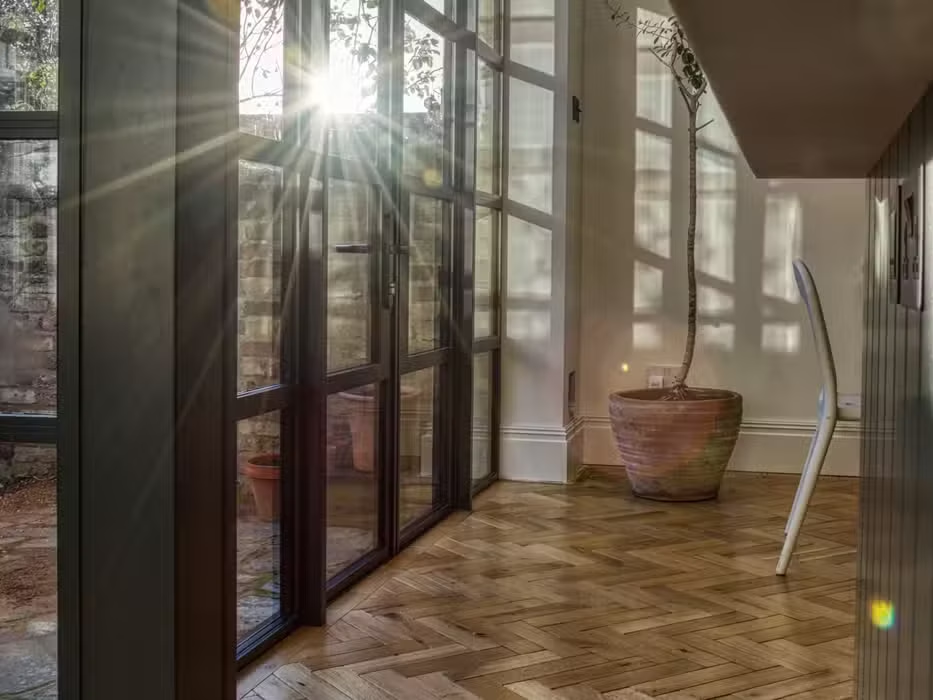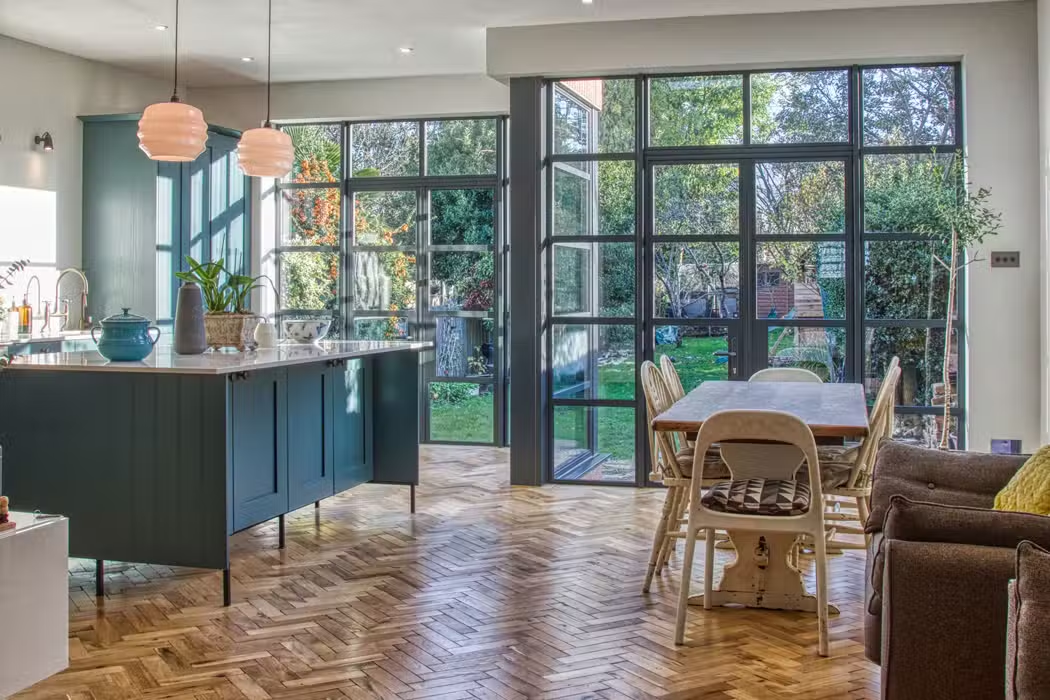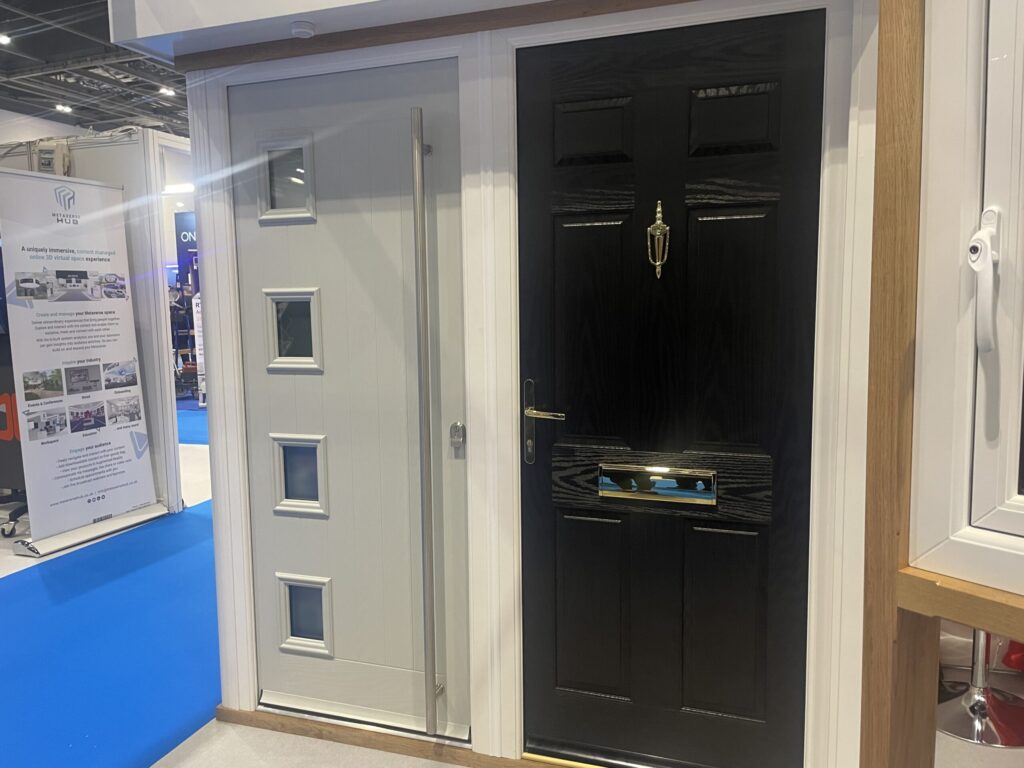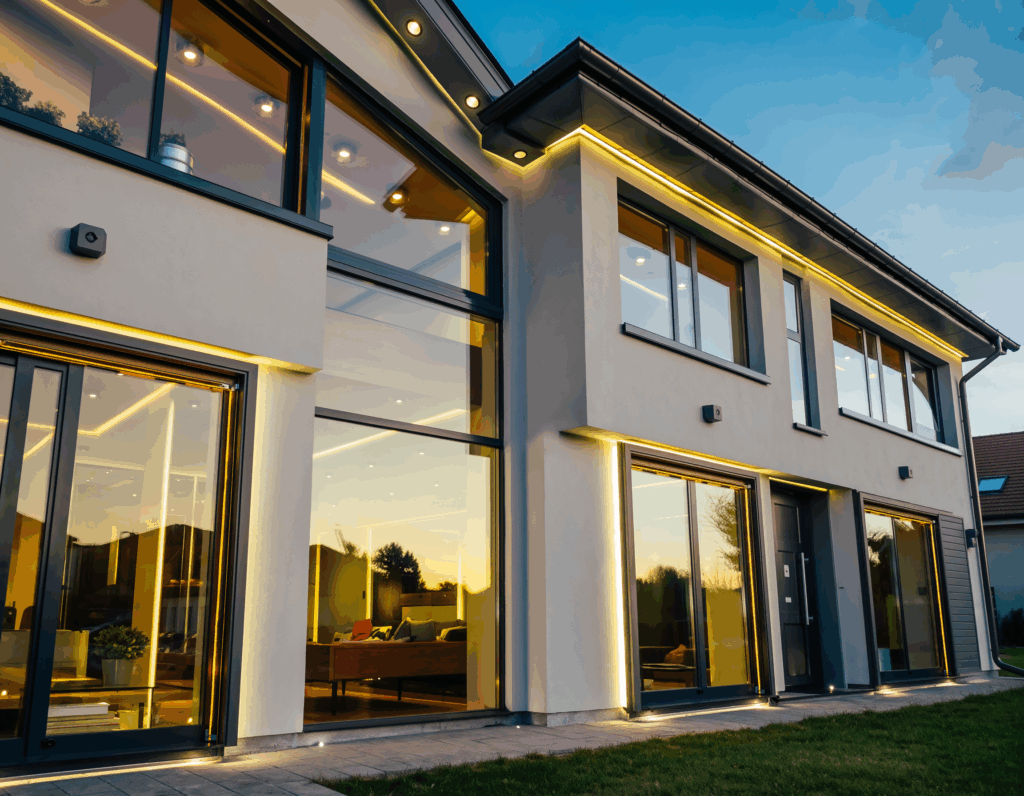
IDSystems’ Heritage Doors represent a refined interpretation of traditional design, carefully engineered to meet the expectations of modern housebuilding while preserving the visual language of period architecture. At a time when developers and designers are increasingly required to balance planning sensitivities with performance demands, heritage-style glazing solutions such as these are becoming central to delivering both compliance and aesthetic value.
The Heritage Door range is defined by its ability to replicate the appearance of classic steel-framed systems, a style long associated with industrial and early twentieth-century architecture. Slim sightlines, carefully proportioned glazing bars, and a distinctive grid pattern combine to create a product that feels authentic without compromising on contemporary standards. This is particularly relevant in conservation areas, renovation projects, and high-end new builds where maintaining architectural integrity is essential.
Aluminium Construction Improves Thermal Performance
What distinguishes IDSystems’ approach is the use of aluminium to achieve this traditional look. While steel has historically been the material of choice for heritage doors, aluminium offers clear advantages in terms of thermal efficiency, durability, and ease of maintenance. The result is a system that retains the visual elegance of steel while delivering improved performance credentials, aligning with the broader industry shift towards energy-conscious design.
From a specification perspective, the Heritage Doors are designed with flexibility in mind. They can be configured as hinged, pivot, or sliding systems, allowing architects and developers to adapt the product to a wide range of layouts and spatial requirements. This adaptability is particularly valuable in residential developments where internal flow and connection to outdoor space are key selling points. Whether used as a statement entrance, an internal room divider, or a transition between living areas and gardens, the doors contribute both function and character.
Slim Sightlines Maximise Light and Spatial Flow
Glazing plays a central role in the overall effect. Large expanses of glass are framed by slim aluminium sections, maximising natural light while maintaining the structured, grid-like aesthetic that defines the heritage style. This balance between openness and definition is increasingly sought after in modern homes, where buyers expect bright, airy interiors without sacrificing architectural detail.
Performance is equally important. The Heritage Door range is engineered to meet current building regulations, offering robust thermal insulation and weather resistance. This ensures that the doors are not simply a visual feature but a practical component of the building envelope. In an environment where energy efficiency is a growing priority for both developers and homeowners, such performance is no longer optional but fundamental.
Finish options further enhance the versatility of the system. A range of colours and surface treatments allows designers to tailor the doors to specific project requirements, from understated, monochrome schemes to more distinctive, design-led interiors. The ability to customise without losing the core heritage aesthetic is a key advantage, particularly in developments aiming to differentiate themselves in a competitive market.
For housebuilders, the inclusion of heritage-style glazing can add tangible value to a scheme. It introduces a sense of craftsmanship and design consideration that resonates with buyers, particularly in premium or design-focused developments. At the same time, the use of modern materials and manufacturing techniques ensures that this value is delivered efficiently and sustainably.