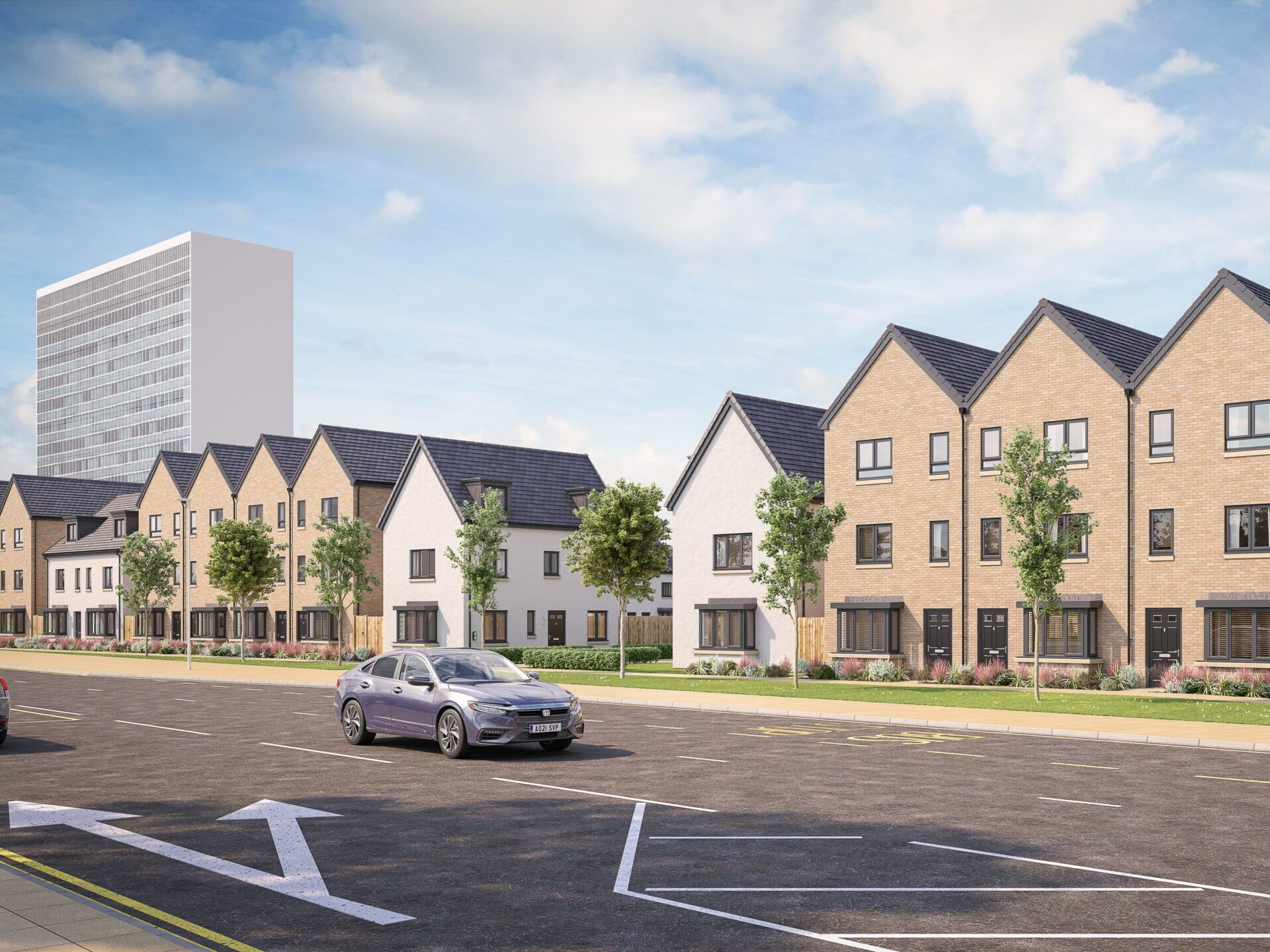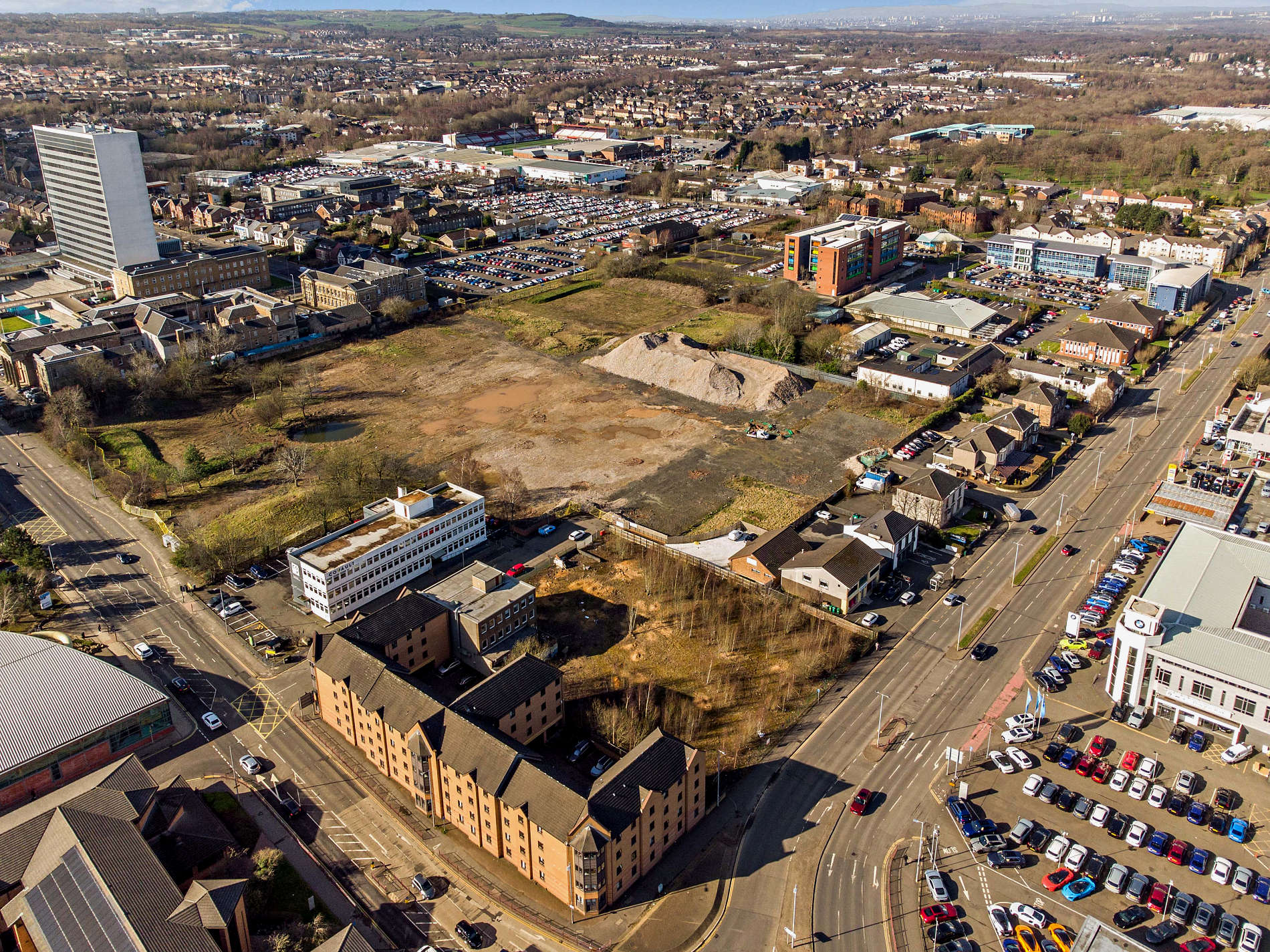
Keepmoat’s Bell College development in Hamilton represents a clear example of how brownfield regeneration can be translated into meaningful, community-led housing delivery. Backed by a £42 million investment, the scheme is set to transform a historically significant yet underutilised site into a well-connected residential neighbourhood, reinforcing the role of partnership housebuilding in addressing local housing demand while enhancing the wider urban environment.
Located on the former Bell College campus, itself once home to Hamilton Barracks, the site carries both historical relevance and strategic importance within the town. Its redevelopment signals a shift from disused land to productive use, aligning with wider industry priorities around land efficiency and sustainable urban growth. For Keepmoat, a top 10 UK partnership housebuilder with a track record of delivering over 35,000 homes, the project reflects a continued commitment to unlocking the potential of complex brownfield locations and reintegrating them into the fabric of existing communities.
The development will deliver a total of 142 homes, carefully structured to provide a mixed tenure offering that responds to a broad spectrum of housing needs. Central to this is the inclusion of 36 affordable homes, delivered in partnership with South Lanarkshire Council and supported through the Scottish Government’s Affordable Housing Supply Programme. This element of the scheme is particularly significant, ensuring that accessibility and inclusivity are embedded within the development from the outset, rather than treated as an afterthought.
A Mixed Tenure Approach to Modern Living
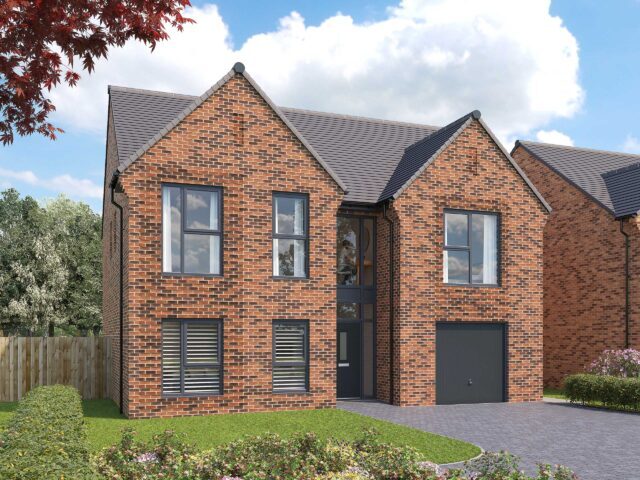
The housing mix itself has been designed to reflect both market demand and community diversity. Apartments, alongside terraced, semi-detached, and detached homes, create a varied streetscape while accommodating different household sizes and life stages. This diversity supports long-term community stability, encouraging a balanced demographic profile rather than a single tenure or buyer type.
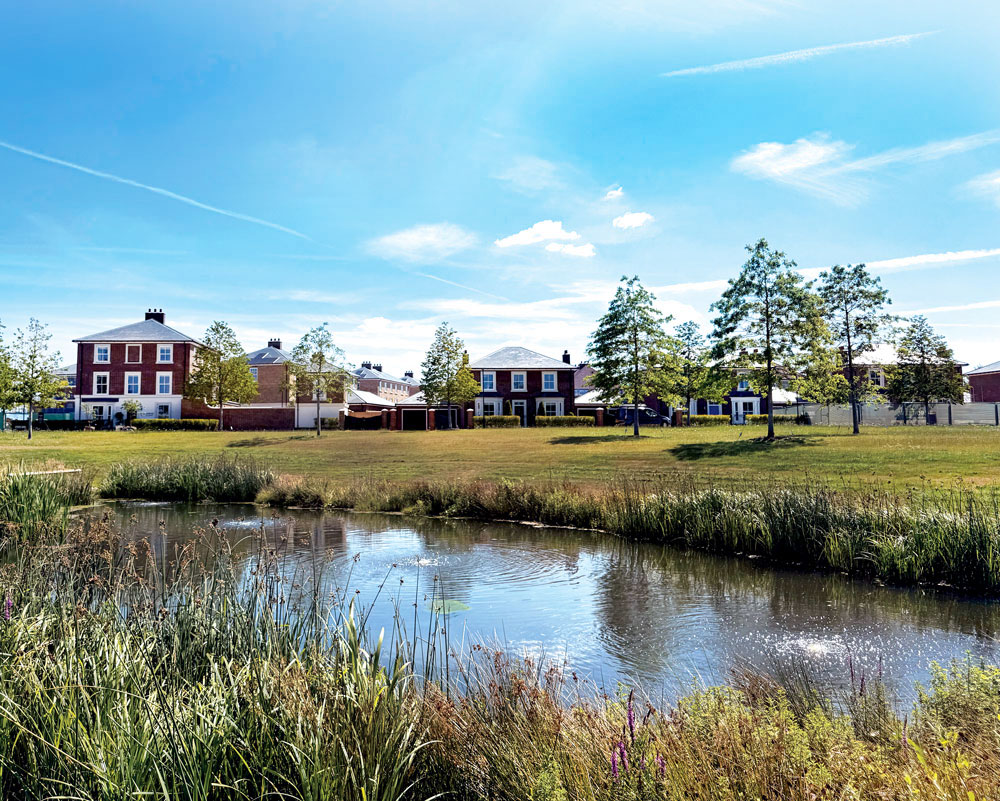
Beyond the homes themselves, the masterplan places emphasis on placemaking and connectivity. New pedestrian routes will improve accessibility across the site, linking it more effectively with the surrounding area, while the inclusion of public play areas and green spaces contributes to a more liveable environment. These elements are increasingly expected within modern developments, not only enhancing quality of life for residents but also supporting health, wellbeing, and social interaction.
Partnership Led Regeneration with Long Term Impact
Partnership remains a defining feature of the project. Keepmoat’s collaboration with South Lanarkshire Council demonstrates a coordinated approach to housing delivery, combining private sector expertise with public sector priorities. The provision of council homes, including properties designed for tenants with specific needs, highlights a focus on long-term social value as well as immediate housing supply.
From a regeneration perspective, the transformation of the Bell College site carries wider implications for Hamilton. Replacing a derelict area in a prime location with a vibrant residential community has the potential to stimulate local economic activity, improve perceptions of the area, and contribute to broader urban renewal. It is a reminder that well-executed housing developments can act as catalysts for change, extending their impact beyond the site boundary.