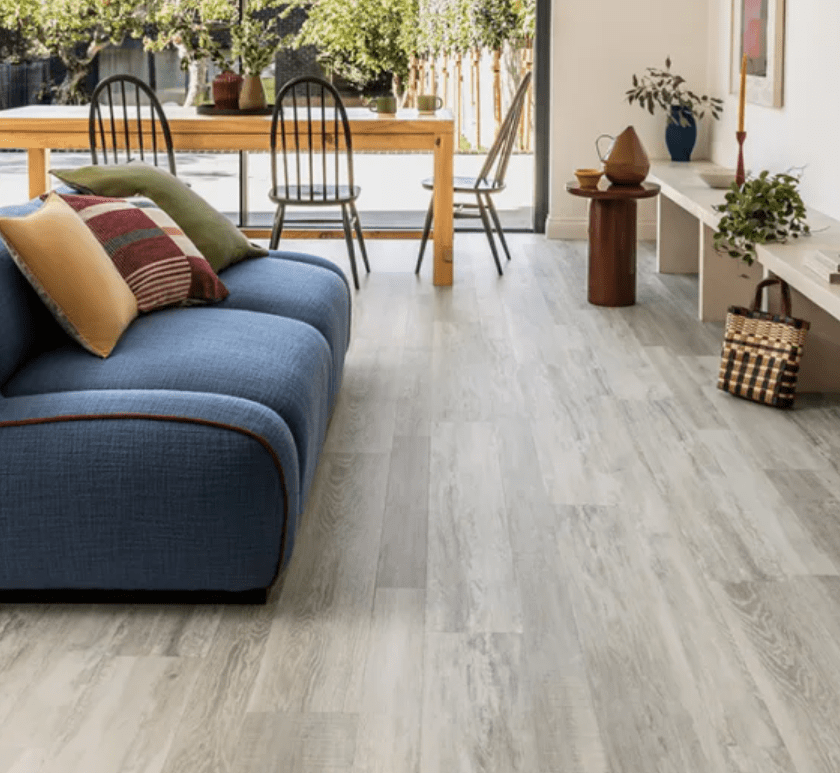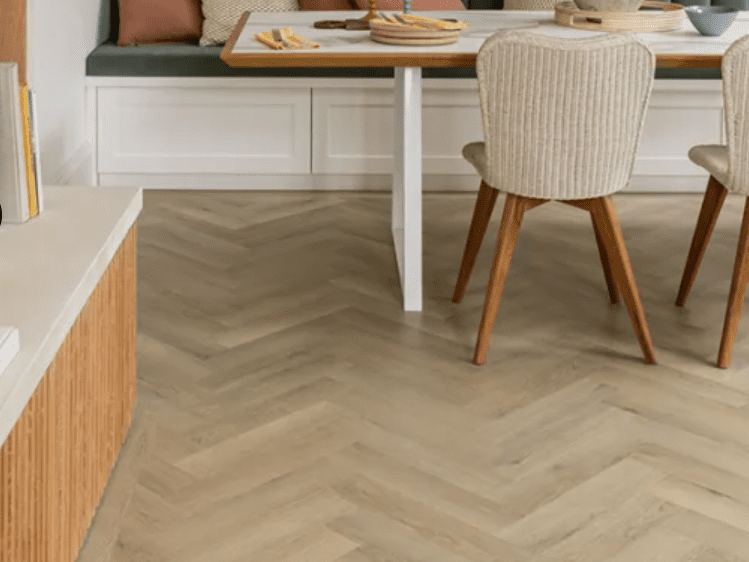
Spacia addresses sustainability through durability. In residential developments, the environmental cost of replacement is often overlooked, yet it remains a significant factor in overall material impact. By delivering a robust flooring solution designed to withstand daily wear, foot traffic, and long-term use, Spacia reduces the need for frequent replacement, supporting more responsible consumption and extending product lifespan across a development.
This durability is complemented by a design approach rooted in timelessness rather than short-term trend. The collection’s range of wood and stone effect finishes draws on natural materials, offering a consistent aesthetic that remains relevant over time. For developers, this is particularly important, as it allows properties to maintain their visual appeal beyond initial sale, reducing the likelihood of premature refurbishment and associated material waste.
Streamlining Specification Across Residential Developments
From a specification perspective, Spacia also supports efficiency across the build process. Its versatility enables developers to standardise flooring solutions across multiple plots while retaining enough design flexibility to suit different property types. This not only streamlines procurement and reduces excess material ordering, but also contributes to more controlled, efficient use of resources on site.
Installation plays a further role in its sustainability credentials. With a format designed for ease and speed of fitting, Spacia helps minimise installation waste and reduces time on site, supporting more efficient construction programmes. In an industry where programme delays often carry both financial and environmental cost, this efficiency is increasingly valuable.
Lower Maintenance with Reduced Environmental Impact
Maintenance is another key consideration. Spacia’s ease of upkeep reduces the need for intensive cleaning regimes or specialist treatments, lowering the ongoing use of water, chemicals, and energy over the product’s lifetime. For homeowners, this translates into a flooring solution that not only performs consistently but does so with reduced environmental impact in day-to-day use.
Crucially, the collection aligns with a broader shift in housebuilding, where sustainability is no longer defined solely by operational energy performance, but by the materials and products specified throughout the home. Flooring, as a high-use, high-impact element, plays a significant role in this conversation, and Spacia demonstrates how thoughtful design and engineering can contribute meaningfully to more sustainable residential environments.
Ultimately, Amtico’s Spacia collection offers a balanced approach to sustainability. It does not rely on headline claims or single metrics, but instead delivers environmental value through durability, efficiency, and long-term performance.