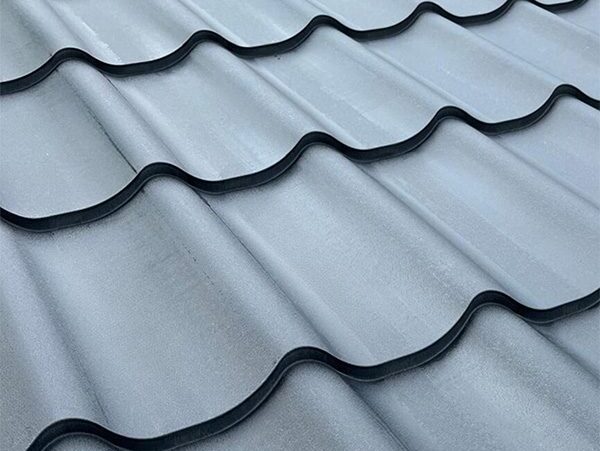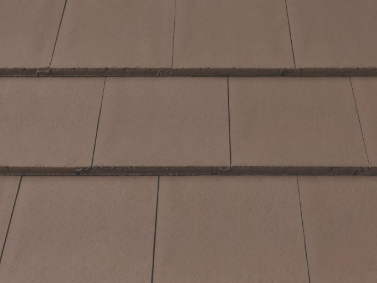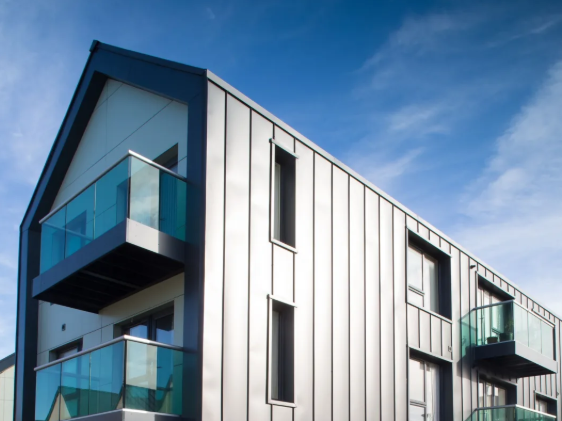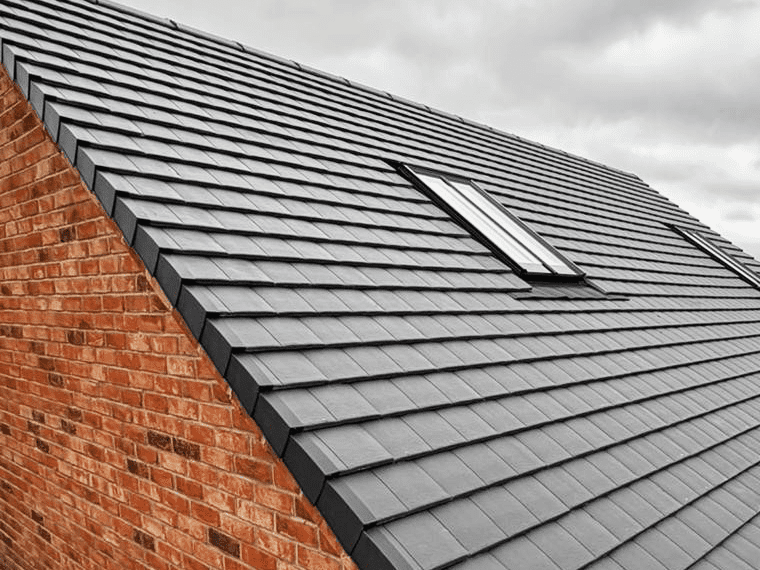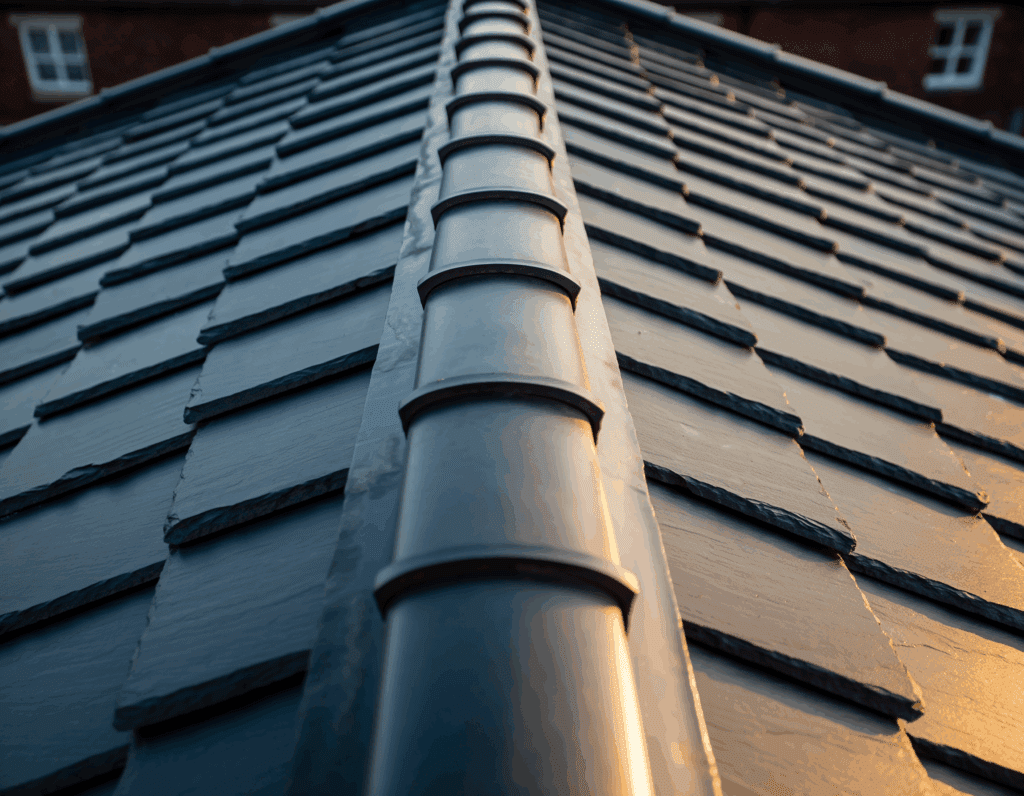
Parcpan is a steel tile roofing system engineered to replicate the appearance of traditional small format tiles while benefiting from the structural advantages of lightweight steel construction. This enables developers to achieve a heritage or slate-style aesthetic without the associated weight and installation complexity. For housing schemes where visual consistency is critical, particularly across multi-plot developments, this provides a reliable and repeatable solution that aligns with both planning expectations and design intent.
A key strength of the system lies in its installation efficiency. The panels are manufactured in a modular format, allowing for rapid coverage across roof areas. Compared to conventional tile-by-tile installation, this significantly reduces labour time and simplifies handling on site. The reduced weight of the system also lowers the structural load on the building, which can minimise the need for additional roof support and contribute to overall cost efficiencies during construction.
Built for Long Term Weather Performance
From a performance perspective, Parcpan is designed to withstand the demands of the UK climate. The steel construction is protected by a multi-layer coating system, providing resistance to corrosion, UV exposure, and general weathering. This ensures long-term durability while maintaining the visual integrity of the roof over time. The interlocking panel design also enhances weather tightness, reducing the risk of water ingress and improving overall roof reliability.
Flexibility is another defining feature. Parcpan can be installed across a range of roof pitches and is suitable for both new build developments and refurbishment projects. This adaptability allows it to be specified across varied housing types, from volume-built estates to more bespoke residential schemes, without compromising on performance or finish.
In the context of sustainability, the use of steel contributes to recyclability at end of life, while the reduced material waste during installation supports more efficient site practices. These factors align with the broader shift within the housebuilding industry towards more responsible material selection and construction methods.